Historical Fiction

Farewell, Friend Kawa
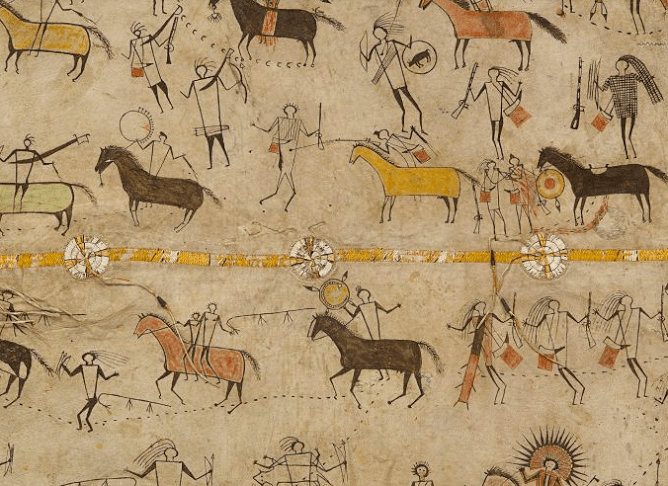
plains-indian-warrior-life

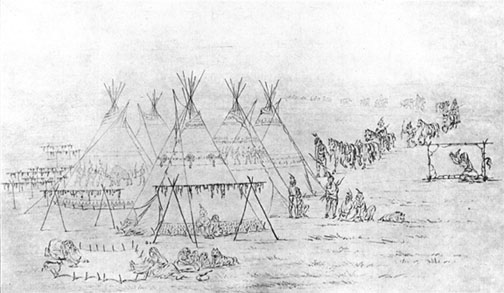
In this post I want to examine what living life continuously on the edge must have been like. It is not get up in a warm house, take the milk out of the refrigerator and put the bread in the toaster. Under normal conditions for Plains Indian peoples, life must have been routine to the extent that you packed up every three weeks and moved to new pastures, but enemies could always attack. When other Indians were the foes, the balance was somewhat even. But when the “cavalry” attacked, the scales were one-sided.

In this novel two teenage boys must make a long journey for which they are not prepared. Staying alive is as much about finding food and water as it is about avoiding being killed or taken captive. Perseverance required a stoic outlook when hardships came one after another. Enjoy!
farewell-friend-kawa-n-s4


Historical Fiction

The Trade Gathering at Big Trees

brain-tanning

the-trade-gathering-at-big-trees-pf

tanned-hides

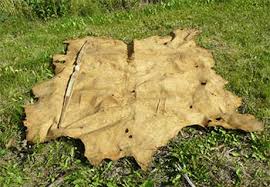
My objective in this excerpt is to emphasize the arduous lives of the Comanche women and girls. That is not the same as saying the females were unhappy or dissatisfied with their lives. In the heyday of the Comancheria (1820-1850), the Comanche were looked upon as extremely wealthy among the hunting and gathering peoples of the southern plains. The various bands owned thousands and thousands of horses and mules; they controlled a lucrative trade in stolen cattle, horses, and slaves. The people traded for firearms, ammunition, cloth, vermillion dye, hatchets, tobacco, beads, trinkets, flints, needles, and pots. The women had choices to improve the quality of life of their families, but their nomadic lifestyle put severe constraints on what they could own and transport.


Historical Fiction

Numeneh Defend Their Sacred Lands

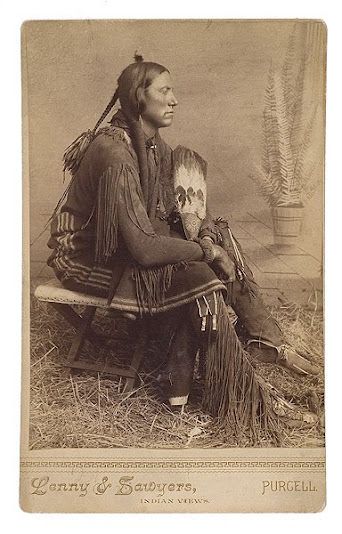
The Comanche warrior culture centered around showing bravery in warfare. Ample opportunities for showing courage were provided. Leaders who had proven their bravery in many circumstances were acclaimed war chiefs and wore the war bonnet. These chiefs proposed war parties, revenge parties and raiding parties. Warriors were free to accompany a war chief or decline. If a young warrior wanted to move up quickly in status he tried to “count coup” in a battle. This was akin to hand to hand combat where a warrior touched, wounded, or scalped a living opponent. Other ways of gaining battle honor were to save a wounded comrade or retrieve the body of a fallen warrior.

Here is the story of a typical enemy skirmish based on a true account:  numeneh-defend-their-sacred-lands-2

comanche-war-party

Historical Fiction

Puha, Medicine, Power

wolf-totem
Wolf Totem

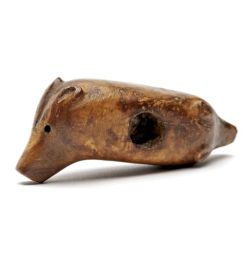
Status and prestige were available only to male Comanches, as individuals. There were no positions in government, no chief priests, no head dancers. To gain status a male had to go out and seek spiritual power on his own initiative. This seeking of power took the form of a quest for an authentic spiritual vision. A boy just entering puberty bathed, took his buffalo robe, bone pipe and tobacco, and his fire drill. He then rode to a place known to have spiritual power, away from his band. He fasted and prayed, blew smoke to the four corners for up to four days and waited for a sign. The sign could be the howl of a wolf, the rush of the wings of an eagle, the sighting of bear. The boy then sought a totem to symbolize his new guardian spirit.

After a young man had a spirit guardian he then tried to be successful in the areas that would help his band: hunting, raiding, and healing. If these efforts were successful he was chosen to lead and to advise and was considered to be a powerful man.

Read about Nukitsi and the serious obstacle to his vision quest in the following excerpt:  what-to

Here is the vision that comes to Nukitsi:

wolf-visits-db


Historical Fiction

Quanah Parker

quanah-parkerAnother subplot that I wanted to used was the historical personage of Quanah Parker.  His role in the period of allotment and pasture money was paramount.  His personal story is fascinating. It was perfect to have him interact with Nukitsi and Pale Feather.
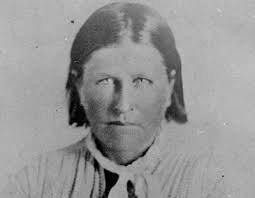
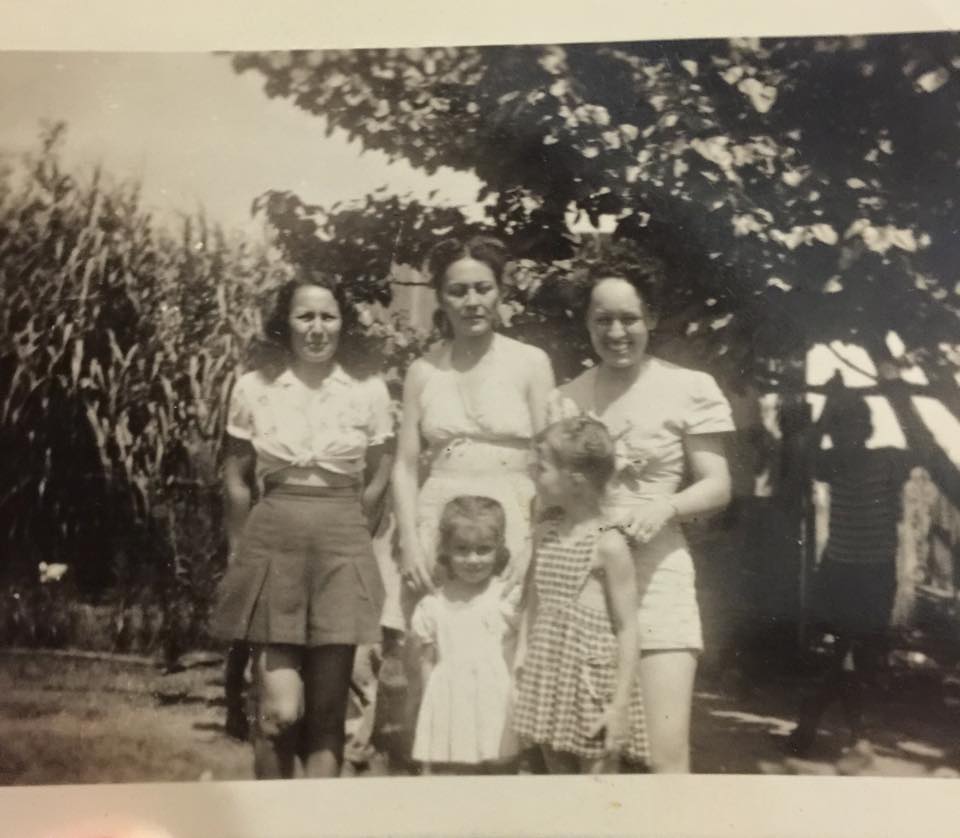
Quanah was the son of a woman, Cynthia Ann Parker, and Peta Nocona, a chief of the Quohadie band of Comanche. Cynthia Ann had been captured as a  nine-year old  girl who lived on a Texas homestead.  She grew up  among the Comanches  and adopted their life style completely. She had two sons and a daughter with Peta Nocona.

When Quanah was a teenager and his brother a young boy, Cynthia Ann and her daughter, Topsanna, were re-captured. Cynthia Ann, altough restored to her family, never adjusted to her new life. She and Topsanna both died within five years of her re-capture.

cyntthia-ann-parker-2

collated-novel-q1-c-dropbox

Historical Fiction

About

My mother, although half Comanche, always “passed” as white. At 18 she was selling tickets to the movies in the very small town where she lived. A young white civil engineer from Kansas came to the ticket window and they were married soon after.

My upbringing was white middle class. When I was in elementary school we visited my mother’s parents about once a year. I can still see my grandmother ‘s dark hands twisting the neck off a chicken and cooking delectable fried chicken with fry bread. I remember those experiences with fondness, but the feeling of belonging to the culture that my grandmother represented never developed for me.

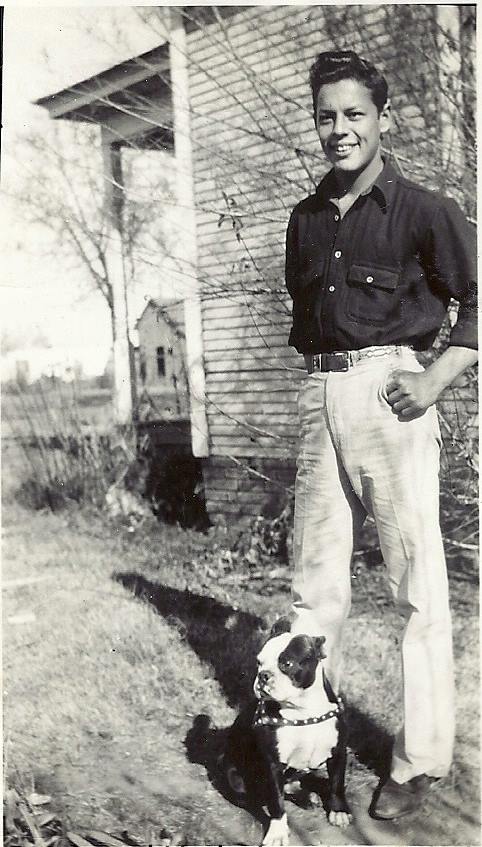
I came to the point of wanting to own for myself some of my Indian heritage when I was old. I traveled to Oklahoma City and visited the U of O library. I found the pages of the small town newspaper that told little snippets of my mom’s family’s life. In the 8th grade she made the honor roll. Then I found the obituaries of her brothers. One died as a young teenager on Christmas Day when the car his brother was driving rolled over. That older brother died in a manner suited to a Greek tragedy. As you can see from his picture on my blog, he was an exceptionally attractive young man who excelled in high school sports. The fundamental question that haunted me after reading his obituary was how did this young man of half Indian blood with such promise in his eyes die as a drunk on a highway at midnight?

I felt compelled to try to answer that question. My novel which I envision in three parts will, I hope, help explain his death. The first two books are prequels: the first book covers the pre-reservation time, while the second book encompasses the allotment and the pasture money time. Chief’s story comes in the last book.11196283_10101737214610041_1181565008875438322_n

Historical Fiction

Pale Feather

Every novel needs subplots and parallel story lines. I particularly wanted to depict the lives of Comanche women in this time period. The Comanche culture was first and foremost a warrior culture centered around males. They gained status through bravery, wealth, and leadership. Males faced many risks and frequently met an early death.

Women, on the other hand, had little status unless married to a chief. Their lives consisted of meeting the needs of the favored sons, brothers, and husbands. Men provided meat and tools, while women did the rest of the work. They gathered roots and berries and did the cooking. They were responsible for collecting wood for fires and water for drinking. They butchered the buffalo and other game, tanned the hides and sewed the clothes. A woman with special skills made the lodges. When it was time to find new pastures for the horses and mules, every three to six weeks, the women took down the lodges, packed the horses, and rode in all weather to a new camp.  Naturally the women birthed the children and nursed them while doing the rest of their work.

The girl whose storyline I’ve created is named Pale Feather. She is a member of a fellow Comanche band called the Quohadie or Antelope Eaters. She is the same age as Nukitsi. Finding a way to make her story exciting and compelling has been a great challenge

Historical Fiction · Uncategorized

WE ARE NUMENEH

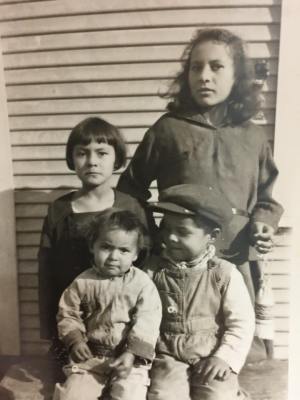
   My maternal grandmother was full blood Comanche Kiowa Apache. She lived in a small clapboard house close to her original family land allotment in southwestern Oklahoma. She and my small, wiry Welsh/English grandpa had six children, my mother being the third daughter. My mother’s two brothers both died young and tragically. The oldest son’s life was especially iconic in the way that American Indian lives can be. He was my uncle who everyone called “Chief.

  When I retired from a life in education, I first moved to Costa Rica for two years of wonderful adventure. Returning home I needed something to focus on. I decided to write a fictional biography of Chief. His life needed a context, so the family story starts with a boy in 1872. The first draft of four years in the life of this boy, Nukitsi, are completed.

   I used numerous historical sources to make this an accurate piece of historical fiction, but the cultural practices and beliefs of the Comanches or Numeneh, as they called themselves were mostly speculation. I want my Comanche relatives and other Comanches to read this blog and give me their feedback on what is good and what is bad about my depiction of the life of the Numeneh at this time in history.  I also want my own family who know very little of their Indian heritage to connect with this part of their family history.